
heartwarmers—for good times, bad times and bedtimes

Ages 3 to 8
The Gift by Michael Speechley is an all around beautiful book that speaks on loss, grief, connection, healing and the beauty that is all around us if we simply look for it.

Ages 2 to 8
This is a must-read book - it speaks to the anxiety of being separated from family, the strangeness of new worlds, reconciliation with those new worlds, a return to family and familiarity and being able to move between two worlds without betraying either and without loss of love or friendship. It's a book to have, sitting on the shelf, to provide reassurance and peace at the end of a long day.

Ages 1 to 6
A sweet and comforting book that covers the basics like the baby sleeping in a ‘bath’, why Mummy’s tummy grows and why Mummy is so tired. The concepts are simple enough for very young kids and are a great conversation starter for older kids who have lots of questions.

Ages 3 to 8
A Whale of a Mistake is a beautifully relatable journey of hope and courage. With a focus on growth mindset and perspective it is a perfect gift for a child that is struggling with their imperfections and limitation. It’s a must have read-it-before-you-need-it book because, sooner or later, we all make mistakes.

Bring Me Some Apples is a harvest story that follows a young girl and her family through a year of harvests. A beautiful story about capturing the very best flavours as the seasons provide.
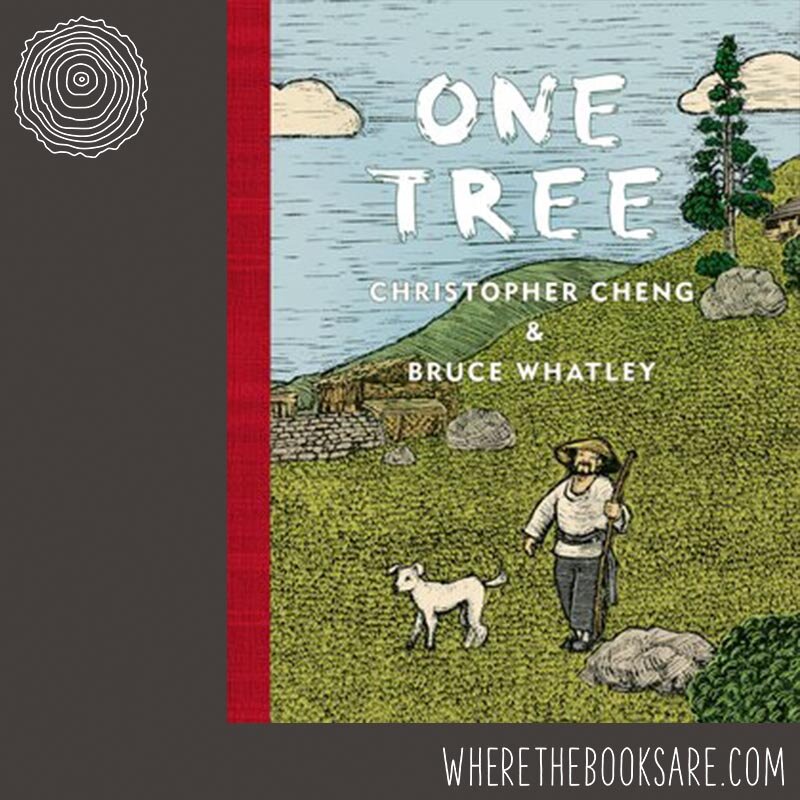
One Tree is a beautifully moving story full of the hope of change and the joy of growing things. It’s a wonderfully comforting story that values the past and embraces the future, making it a perfect read it before you need it book and an aid for children who are struggling with change.
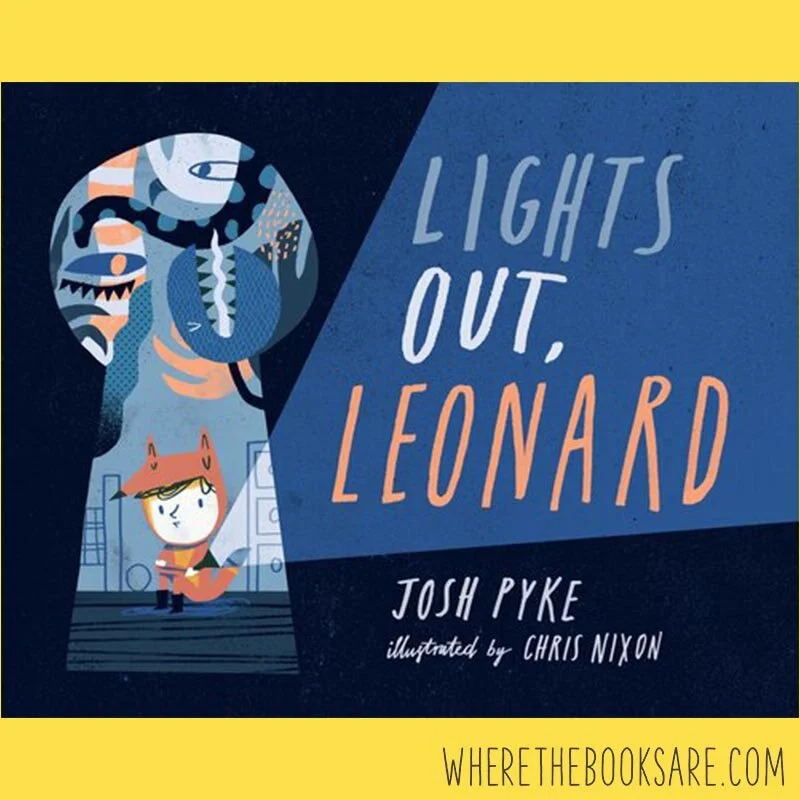
A perfect book for helping children and grown ups face their fears and find ways to help each other.

Brothers Forever is a sweet story about how life changes for two brothers as the older goes to school, told from the perspective of the younger brother.
Ages 2 - 8
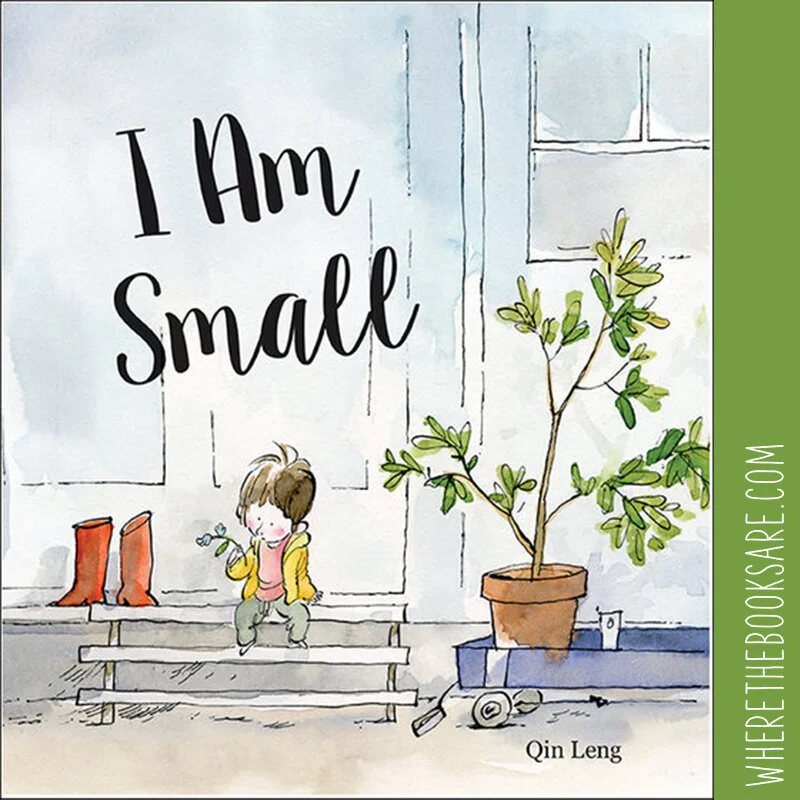
Being small is tough. Things that bigger people take for granted are hard work.
I am small’ is a sweet look at perspective and acceptance.
Ages 2 - 8

That’s a major gap in a child’s life and one we tried to fill with elderly friends from church and other grandparents and great-grandparents of friends.
I think that one of the reasons we realised this was so important was that we had both read Wilfrid Gordon McDonald Partridge dozens and dozens of times.

Three-year-old Ivy is excitedly awaiting the arrival of a baby brother in a couple of months. She’s looking for things that will be the same and different for them.
He’ll be little and she’ll be big. But, after a bath: ‘he’ll have a naked bottom just like me’. Both true.
Ivy is pretty keen for this baby to arrive. (So am I, truth be told.) Still, there’s bound to be some adjusting to do.
The New Small Person is all about the adjustment – and the process.
Ages 2 to 8

This is a wonderfully circular book. Amelia smiles, her smile is contagious and spreads all around the world and finally finds its way back to her - and she smiles again!
I love a book that shows (but doesn’t preach about) the interconnectedness of people around the world – this book manages exactly that.
And I think the key is the joyfulness of the illustrations. There’s a fuzziness* to them that invites the reader into the edges of the world each character inhabits.

Emma is a young girl who lives in an old crooked house, but she doesn’t mind because it’s near the ocean, and that is her favourite place to be. The magic and mystery of the ocean solidifies one foggy day when Emma discovers a beached baby whale.


ages 2 to 8 years
Feeling lost, unwelcome or out of place is one of childhood’s certainties. They’re feelings that will come to every child in one measure or another. Teens, of course, continue to have those feelings, and so do adults. For displaced people, regardless of age, those feelings are frequently more than an emotional reaction—they can be the cold hard facts of life. Beegu is a displaced alien child who....

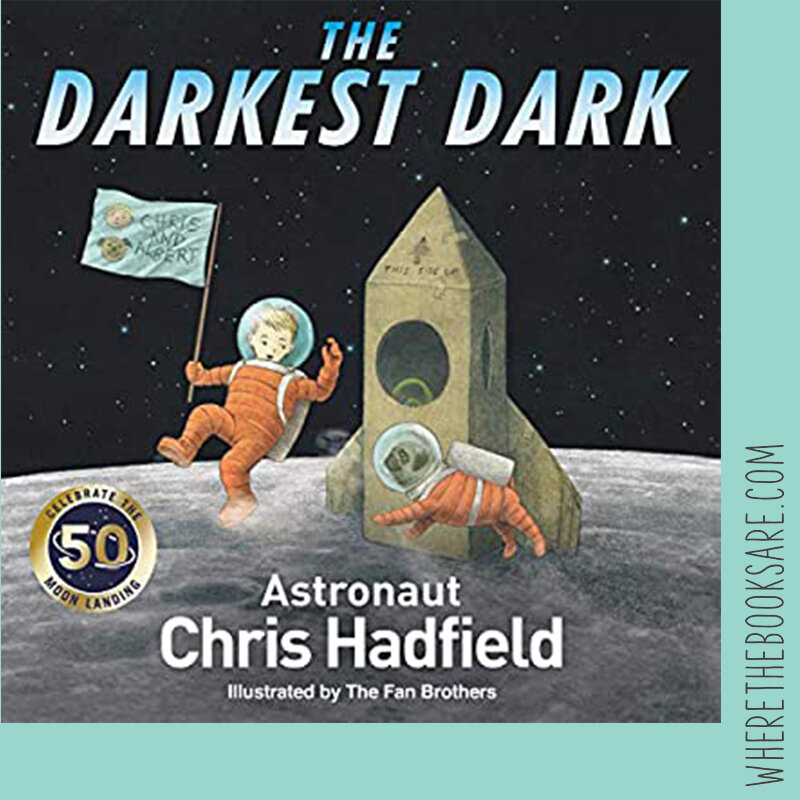
Savannah is off to pre-school this year, and William and Ivy start Kindy. In honour of these major life moments, here's a small collection of books that are lovely to read in the first week or two of school. I hope you find something that feels right for your new (or returning) school kid.
I’m going to read Off to School Baby Duck to all three of our new school kids via Marco Polo this week too. It’s a cute story of a baby duck who is scared to go to school but, predictably, has a good day. It was a favourite for their fathers long ago—mostly out of print now, but full of nostalgia for our family.

ages 0 to 8 years
Summer is in full swing in Tasmania and everywhere we look trees are laden with fruit. We're closely watching our plum and nectarine trees, eagerly awaiting the first ripe fruit, and I think this is what drew us to Together Always when we saw it in the library. That and the wonderfulness of friendship for the start of a new year.

ages 2 years to adult
In The Power and The Glory, Graham Greene wrote: “Hate is a lack of imagination.” Perhaps it follows that love is an abundance of imagination. There’s plenty of both to go around in the world just now, so I suppose the thing to do is notice imagination, encourage it, and let it build.
Sometimes we think of imagination as the stuff of fantasy worlds—The Lord of The Rings scaled down to everyday life, if you like. And that’s a wonderful way to imagine. But John Lennon’s Imagine reminds us that there’s more to imagination.

ages 2 to 5 years
Ivy has been obsessed with dance over the last six months—she wants to watch, read, do and live dance. It started when she saw the movie Ballerina and, although I think she might be almost ready to move on, these three books have had a good workout!

ages toddler to 5-years
Ridiculously, 4 of our grandchildren (including newborn Ezra) live in Cairns and 2 are in Tasmania. That’s pretty much opposite ends of the country and at least a two hour flight each way. So weekly or even monthly visits just aren’t an option. But Samantha suggested this great app—Marco Polo. It’s probably not the original intention, but it works really well for reading stories.
I record a story (dodgy lighting and shuffling pages are no big deal), it uploads, and the grandkids look at it whenever their parents are ready to give up their phones for a few minutes.
a series for 1- to 5-years-old
Finding the 'just right' birthday book can be tricky, but it's worth the hunt—there's something wonderful about getting a special book for a special occasion.
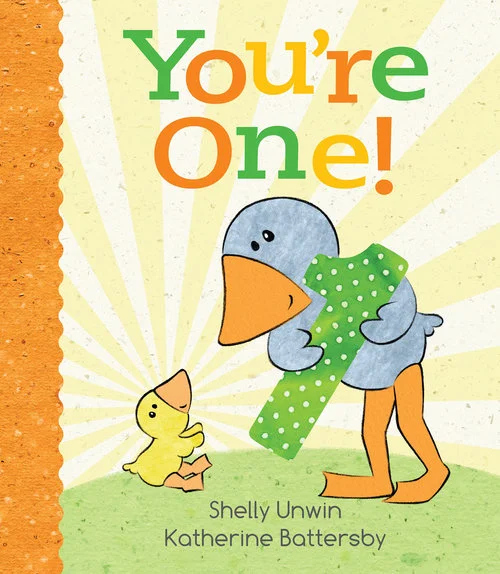
This year, one of those 'just right' books turned up for Angus—he was given You’re One!. It was perfect—a sweet relatable story that celebrated the magic of being a whole year older.
'Look at You! You’re one already!
It’s not long since you were as small as Teddy.'

ages 0 to 8 years
Books about happy homes speak to our need for security, love, generosity and kindness. Books about happy homes that are different to our own also offer the comforting idea that in the midst of tremendous diversity, there is more that connects us than separates us.
The Tree does all of that while extending those same ideas, thoughts and feelings

ages newborn to 8 years
It’s nice, especially on cool, dark nights, to think about how wonderful it is to dream. To dream about our friends and fun, or dream about places we have never been, or about our hopes and dreams. Dreams that beckon and entice us to a deep and peaceful sleep.
Dream Animals: A Bedtime Journey is just the book for that kind of night. Arrays of ‘animals from long ago’ come to help children on the way to their dreams.

Did you watch it? I know, soooo good. Links here to @LevarBurton and @NeilTyson. But seriously, no pun intended, the planets are lining up for a revival of Good Night Moon. (Did it ever go away?)
It's a nostalgic revival, yes, but also an adult recognition and a nod to a book that's as effective and heartwarming now as when it was first published in September 1947—70 years ago!

ages 2 to 8 years
Ownership is one of childhood’s most profound experiences. Ownership of treasures found, gifts, emotions, and relationships all contribute to a growing sense of self and a sense of interconnectedness.
Jose Saramago*, Portugese novelist, anarcho-communist and political agitator, wrote “Liking is probably the best form of ownership, and ownership is probably the worst form of liking.” That strikes a familiar chord when thinking about children and

ages 2 to 6 years
When Ivy was a newborn, some ladies from Church gave her a cuddly pink bunny blanket with her name on it. She was never the best sleeper, so ‘bunny’ became a wonderful tool for comforting/settling—we couldn't (wouldn’t) go anywhere without her.
Ivy is now 4-years-old, but bunny still means the world to her. She doesn’t need her for comfort now, but the friend who helped her through so many difficult times still holds immense value. I think that’s why she loves Guff

ages 0 - 6 years
Spring is finally here and while it's still quite cold in Tasmania, the sun is out and we're loving being outside. I'm always on the lookout for new ways to make mess and have fun with the kids, especially outdoors, and found a bit of inspiration while spring cleaning the shed—a shallow plastic container that looked like the perfect size for a mud farm.
I'd had my eye on a muddy farm sensory play activity from The Imagination Tree for a while, so thought I'd give it a try, with minor adjustments to this original recipe:

ages newborn to 3 years
Angus is a sensory toddler. He loves to get his hands (or mouth, or any body part) into anything with an interesting texture—the sheer delight on his face as he plays with his mashed potatoes and the joy he emanates from trying to eat bubbles in the bath is wonderful to see.
It's also wonderful to see his love of all things sensory extending into his love for books—thanks to these five beauties:






Ages 2 - 8
Gerald is careful. Piggie is not. Piggie cannot help smiling. Gerald can. Gerald worries so that Piggie does not have to.